2026-11-02 ·
How Often Should You Clean Your Dryer Vent?
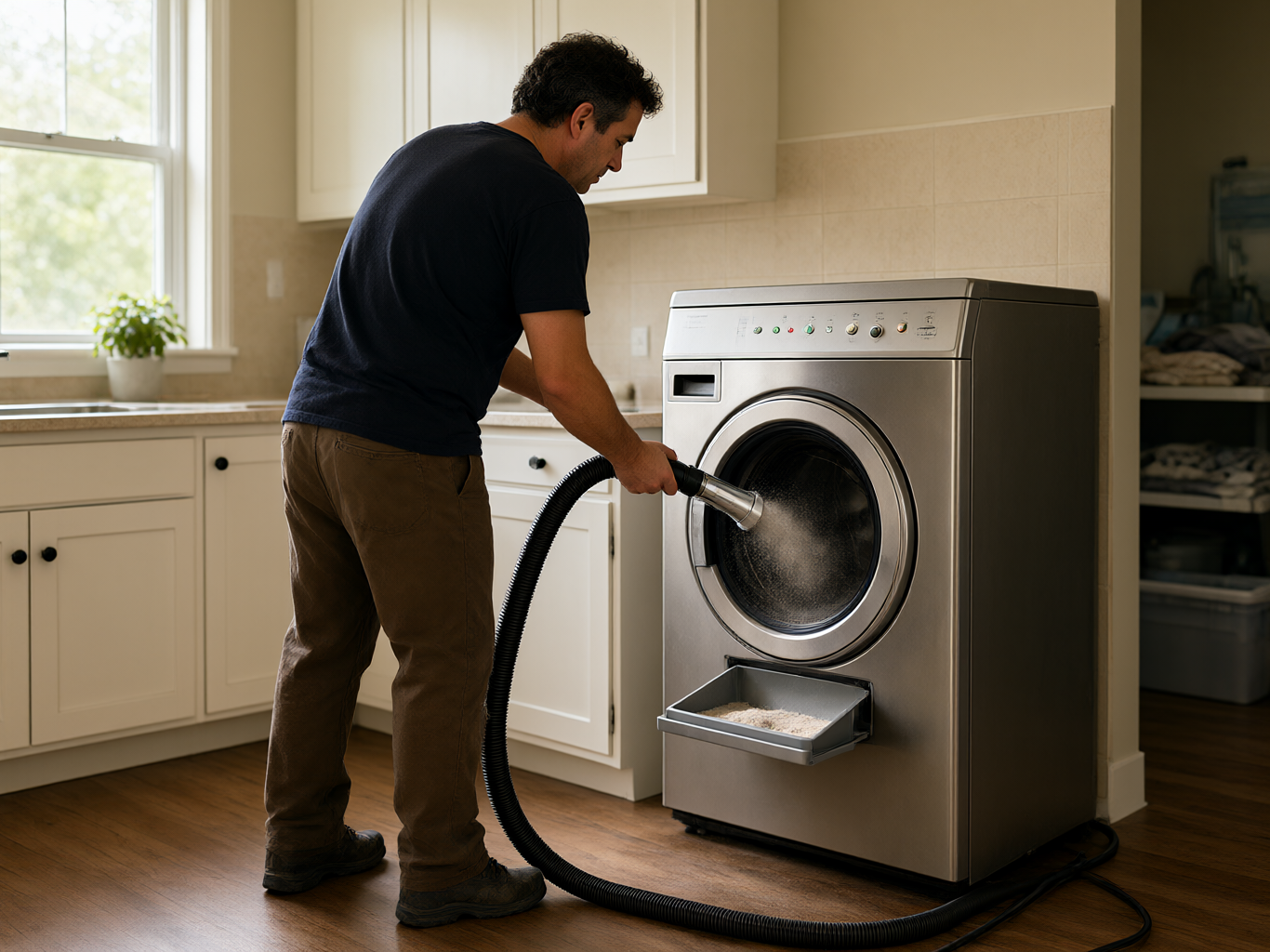
# How Often Should You Clean Your Dryer Vent?
Most dryer vents in Tyler should be cleaned every 12 to 24 months, but homes with heavy laundry loads, indoor pets, or duct runs longer than 25 feet often need service every 6 to 12 months. If a normal load regularly takes 45 to 55 minutes to dry, or the laundry room feels unusually humid when the machine stops, the vent is likely overdue. The right interval depends on duct material, elbow count, and whether the exterior hood is clear of lint and debris.
Why Tyler’s Climate Makes Vent Maintenance Urgent
Tyler sits in Smith County under a humid subtropical climate with hot summers and mild winters, which means dryers run year-round and lint has constant exposure to moisture. Damp lint clumps more readily inside metal or flexible duct, restricting airflow and forcing the heating element to work harder. Older housing stock around Downtown Tyler and the Azalea District, near landmarks like the Tyler Municipal Rose Garden and Tyler Museum of Art, often has longer or aging vent routes that collect buildup faster. Newer construction in Hollytree and Charnwood may have shorter runs, but complex attic routing can still create hidden choke points. Families near Caldwell Zoo and across whitehouse and lindale also generate frequent laundry loads, accelerating accumulation.
Warning Signs It’s Time for a Cleaning
Do not wait for the calendar if the dryer shows clear symptoms. Clothes that remain damp after a full cycle, a dryer exterior that feels hot to the touch, or a burning smell during operation all point to restricted airflow. Lint visible around the exterior hood, a hood flap that fails to open, or a sudden spike in electric bills are additional red flags. When any of these appear, schedule a dryer vent inspection & airflow check before running the machine again. A clogged vent is not merely inefficient; it is a fire hazard because accumulated lint is combustible.
Materials, Vent Length, and Fire Risk
Rigid aluminum duct with a 4-inch diameter is the safest standard because it resists crushing and does not trap lint the way flexible vinyl or foil can. Long runs with multiple elbows create more surface area for buildup, and any section that sags can hold moisture and debris. In older Smith County homes, original transition hoses may be undersized or deteriorated, increasing risk even when the main duct looks clear. If the vent travels more than 25 feet to the exterior, a booster fan may be required to maintain proper exhaust pressure. A professional can assess whether the layout needs a dryer vent repair Tyler TX or a full reroute to restore safe airflow.
What a Professional Cleaning Includes
A thorough service goes beyond pulling lint from the trap. A technician should disconnect the dryer, inspect the transition hose, run rotary brushes through the main duct, and clear the exterior cap and hood. Airflow is measured before and after to confirm the restriction is gone. If the hood is damaged or missing, replacement is recommended to keep birds and rodents out. This is also a good time to check for crushed sections or separated joints. We are available Mon–Fri 8am–6pm and Sat 9am–2pm to book these visits. Homeowners in Tyler and nearby whitehouse can expect upfront quotes and workmanship they can inspect before we finish.
DIY Maintenance Between Professional Visits
Clean the lint screen after every load, and wash it with water and a soft brush every few months if dryer sheets leave residue. Check the exterior hood quarterly to make sure the flap opens freely and nothing is blocking the opening. Vacuum behind and beneath the dryer to keep lint from migrating back into the duct. Avoid overloading the drum, since wetter clothes release more moisture into the vent. Never fasten duct sections with sheet metal screws inside the airflow path, because the screw heads catch lint and accelerate blockage. For more detail on early warning signs, read Signs Your Dryer Vent Is Clogged.
When to Call for Repair or Replacement
Some problems cannot be solved by cleaning alone. A crushed transition hose, separated duct joints, or a missing exterior cap requires repair before the dryer is used again. Bird nests and rodent entry are common in older neighborhoods, and a damaged hood should be replaced to keep pests out. If the duct runs through a roof or attic and shows signs of moisture damage, specialized attention is needed alongside structural repairs. Addressing these issues promptly protects the dryer motor and reduces fire risk. We do not apply temporary fixes that hide the underlying restriction. Learn more about the hazards of accumulation in Dryer Vent Lint Buildup and Fire Risk.
Recommended Cleaning Schedule for Tyler Homes
For a typical household in Tyler, plan on professional cleaning every 12 to 24 months. Homes with large families, multiple pets, or duct runs exceeding 25 feet should move to a 6 to 12 month cycle. If you live in an older property near Downtown Tyler or the Azalea District, inspect the exterior hood at the start of each cooling season because summer humidity packs lint tighter. Newer homes in Hollytree and Charnwood can often stretch to the longer interval, provided the lint screen is cleared after every load. The same schedule applies in whitehouse and lindale, where similar weather and housing styles create comparable buildup. When in doubt, an airflow check will tell you whether the vent is due.